What should be in a brand guide?
The essentials every guide needs, why most end up unused, and a better way to set them up.
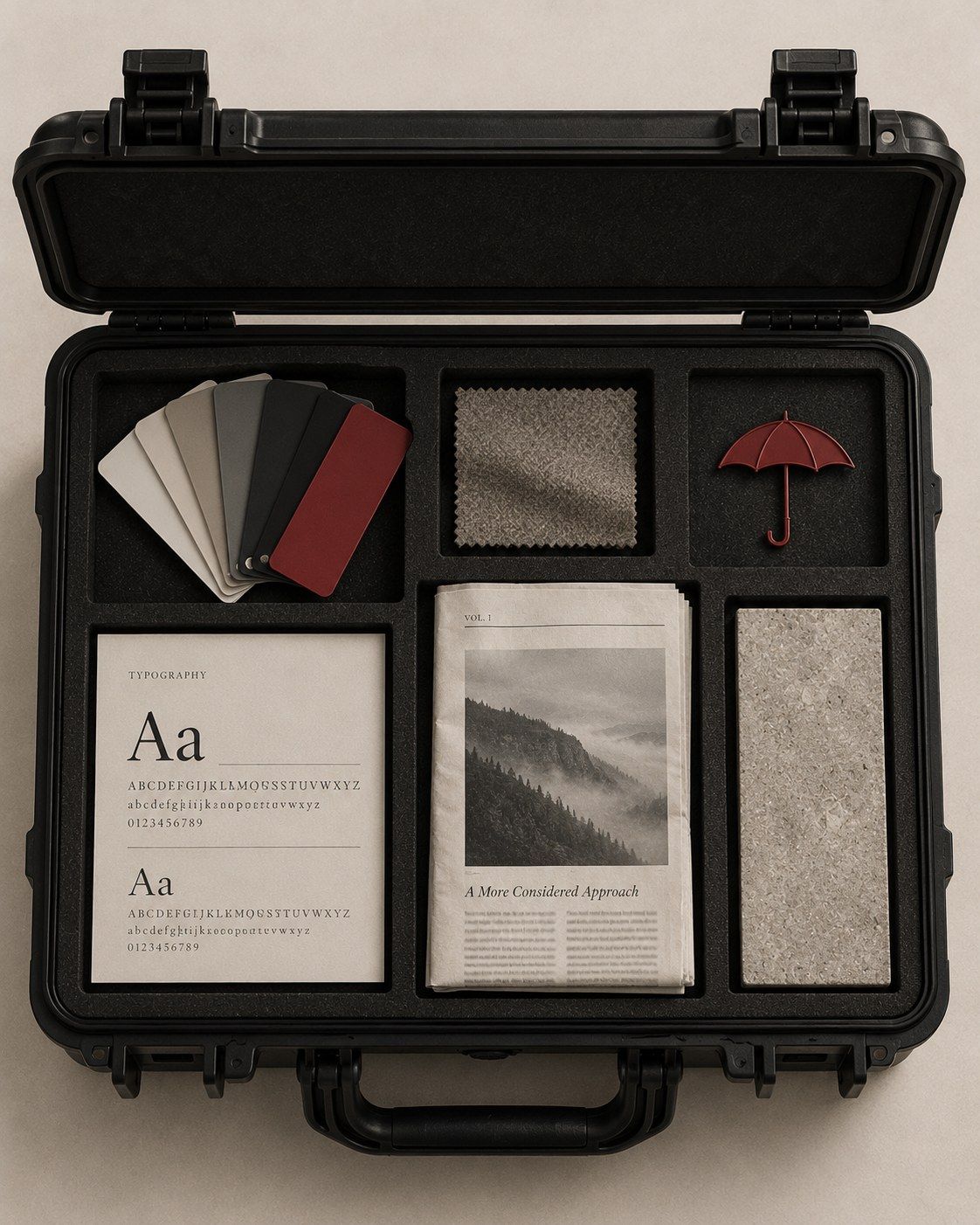
Almost every company that has been through a rebrand has a brand guide somewhere. Most of them are sitting in a shared drive, opened once. The difference between a guide people use and one they ignore usually isn't the design. It's what's inside and who it was written for.
A useful brand guide covers who the brand is, how it looks, how it sounds and how it shows up, with real examples. The best ones are split into a few short books, each written for the people who will actually use it.
The essentials every guide should cover
01Who the brand is
One page on what you stand for, who you're for and how you want people to feel. Everything else in the guide should trace back to this.
02The logo and how it's used
The main mark, its variations, the colors it comes in and how much room it needs. Shown in real situations, not just on a white page.
03Color
Your palette with exact values for print (CMYK and Pantone) and screen (RGB and hex), plus how much of each to use. Proportion matters more than people expect.
04Typography
Which typefaces, for what, and how they stack: headline, subhead, body, small print.
05Voice and messaging
How the brand sounds, the one-line description everyone uses, words that fit and words that don't, and lines people can borrow.
06Photography and creative direction
The look, the light, what's in frame and what isn't, so any photographer or editor can match it.
07The brand in use
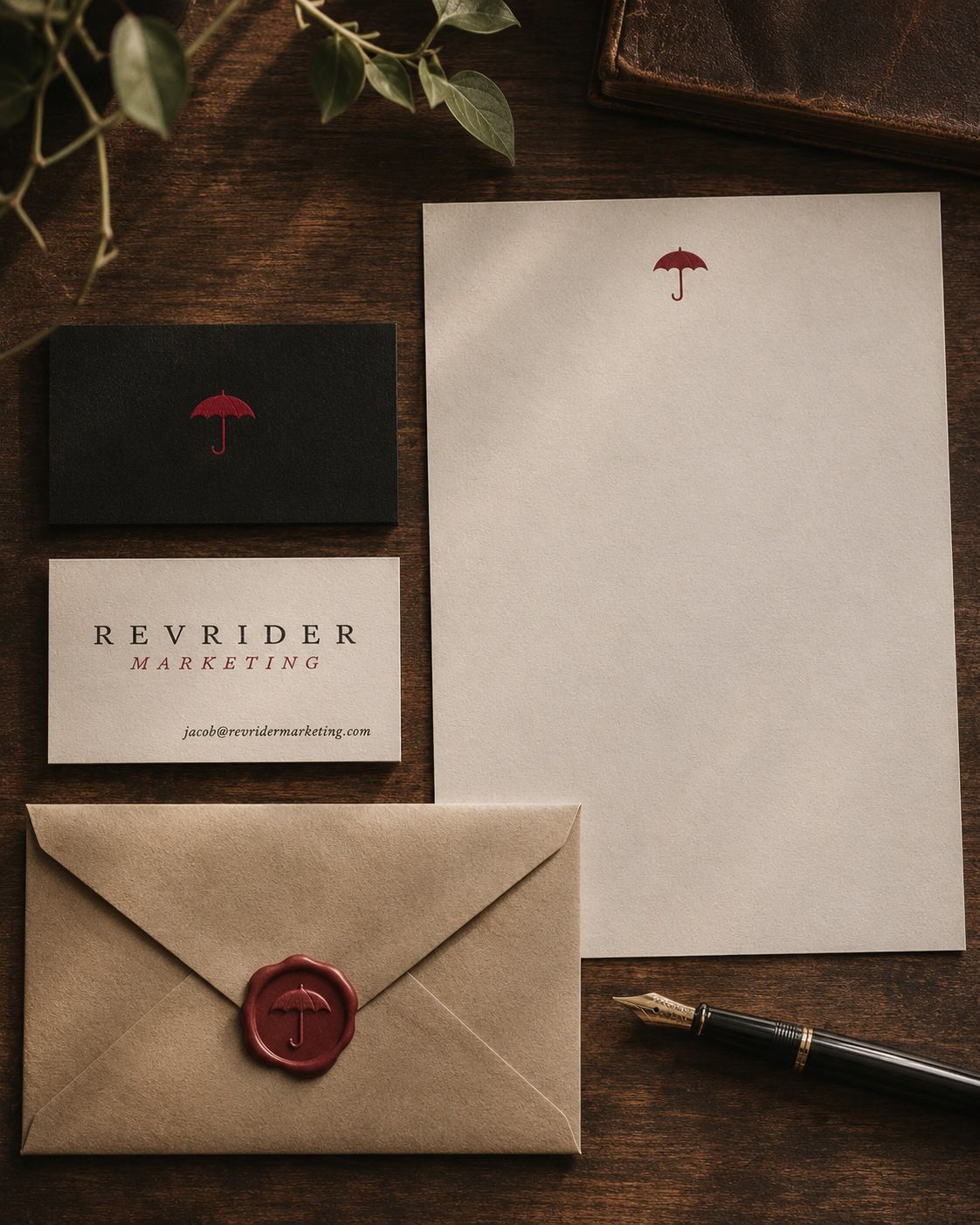
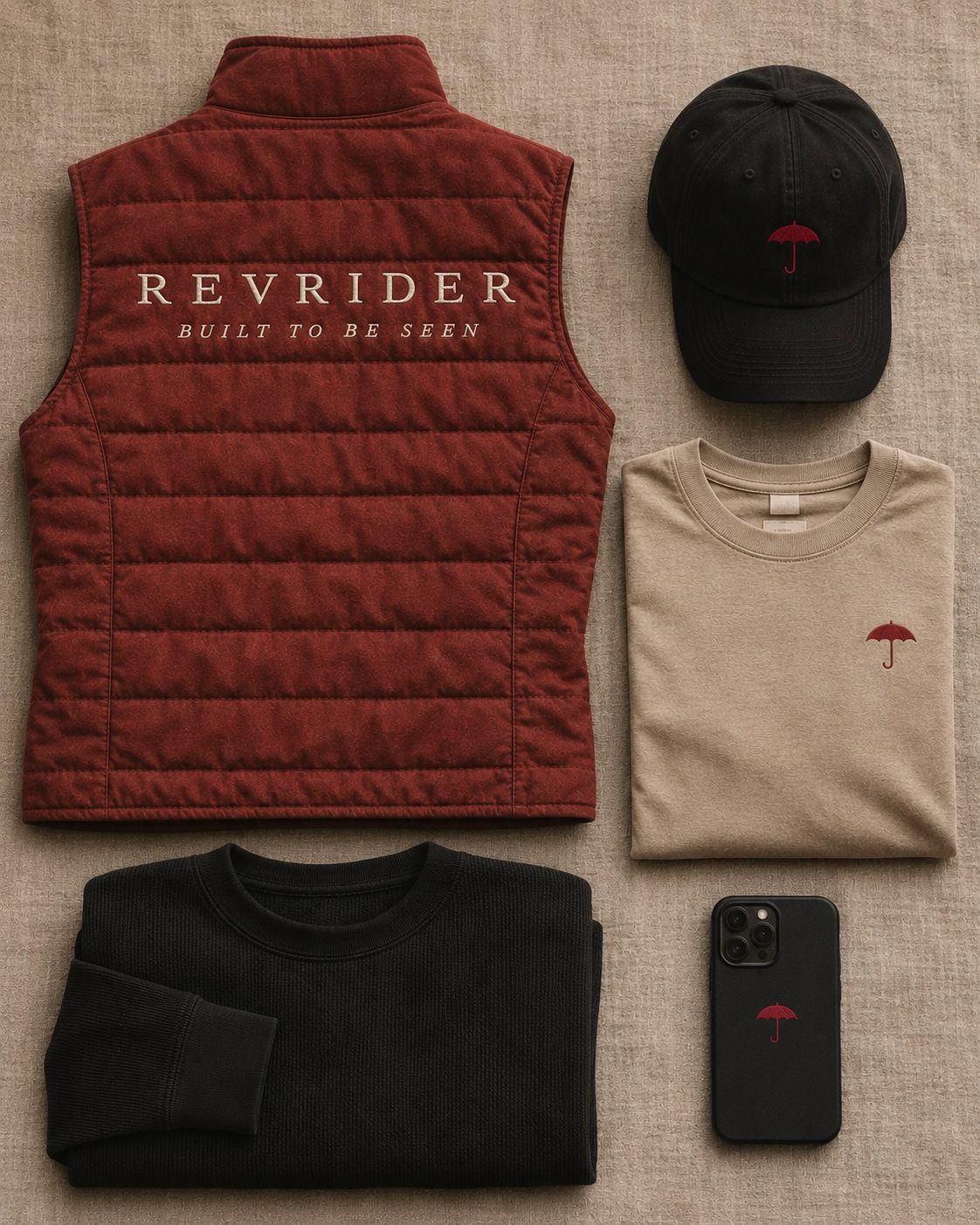
Real examples: the website, social posts, a full-page ad, signage, vehicles, uniforms, merch. This is the section people use most.
Why most brand guides get ignored
They're written for designers only. The person answering the phone, the crew lead and the salesperson are part of the brand too, and a 60-page logo manual does nothing for them.
They read like rulebooks. Pages of "don'ts" make people nervous to try anything. A good guide gives direction and examples, and stays firm only on the few things that really have to be right.
They're too long. If it takes an afternoon to find the answer, people guess instead.
Nobody walked the team through it. A guide emailed as a PDF is easy to forget. A guide handed over in person, with a walkthrough, gets used.
A guide should help people build the brand for years, not box them in.
Split it by who uses it
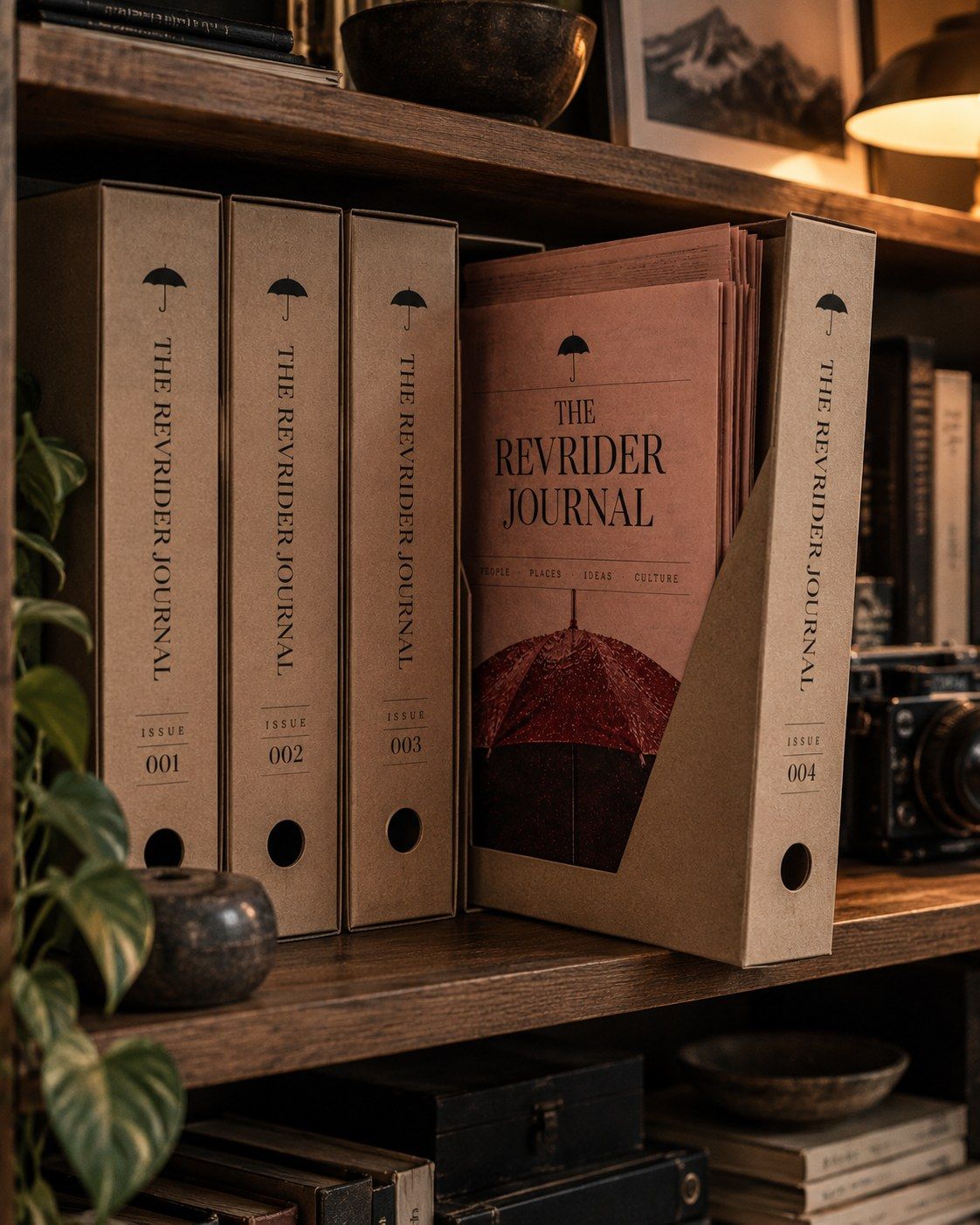
The fix we use at RevRider is to break one giant guide into a set of short books, each written for a specific group of people.
| Book | Who it's for | What it does |
|---|---|---|
| Master Book | Owners and leadership | Every decision behind the brand, in one place. |
| Working Guide | Marketing and designers | Logo, color, type and layouts in use. |
| Voice & Messaging | Copywriters, social, sales | How the brand sounds, with lines to borrow. |
| Creative Direction | Photo and video | The look and moods to go for on camera. |
| Field Guide | Front desk, sales, crews | How to talk about the brand in person. |
| Brand Magazine | Customers and every employee | The world the brand lives in, shown instead of explained. |
Each book stays short enough to actually read. Together they cover everything, and nobody has to dig through pages that aren't meant for them.
A quick check for your current guide
- Explain who the brand is in one page?
- Show real examples on your actual vehicles, signs and posts?
- Include voice and messaging, not just visuals?
- Give photographers a clear look to go for?
- Have something for the people who talk to customers?
- Exist in print as well as a PDF?
If you checked fewer than four, the guide probably isn't doing its job, even if it looks great.
Need a guide people actually use?
Every RevRider rebrand ends with the full set of books, printed and digital, and a walkthrough with each team. If your current guide lives in a drive nobody opens, we can help. Book a fit call.
Questions people ask
How long should a brand guide be?
Long enough to cover the essentials with real examples, and no longer. For most companies that means a working guide of roughly 20 pages, plus shorter companion books for voice, photography and front-line teams.
What is the difference between a brand guide and a style guide?
People use the terms loosely. A style guide often covers only the visuals or writing rules. A brand guide should also cover who the brand is, how it sounds and how it shows up in the real world.
Should a brand guide be printed?
We recommend both. The digital version is easy to update and share. Printed copies get flipped through in meetings and actually get used by people who never open a shared drive.
Who should own the brand guide?
One person, usually in marketing or leadership, should own keeping it current. Everyone else should know where it is and feel free to use it.